
We added a short, explicit AI-content disclosure to our iOS app to reduce App Store provenance-review friction; the expected outcome was fewer provenance flags, faster approvals, and a modest engineering effort you can budget. This note explains the problem, the actions we took, and realistic time and cost expectations for a small team.
- App Store provenance review flags: 3 -> 0
- Developer hours triaging provenance incidents: ~15/incident -> ~0 during pilot
- Average approval delay on affected submissions: +5 to +10 business days -> about -6 business days average
What this means: the change correlated with fewer provenance flags and faster approvals in our pilot, but the sample is small and reviewer behavior varies. Business impact: saved developer time that would otherwise stall releases and reduced approval uncertainty; treat results as directional evidence, not a guaranteed outcome.
How to Publish an AI-Powered App on App Store in 2026 goes deeper on the ideas above and adds concrete next steps.
What risk did we face and what were the constraints?
Category: Efficiency
Statistic: ~20 hrs/month
Label: Developer hours saved
Context: Fewer disclosure-related fixes and resubmissions freed up engineering time
Category: Speed
Statistic: 6 business days
Label: Time to approval (avg.)
Context: Clear disclosure reduced back-and-forth, shortening the approval cycle
Category: Risk
Statistic: 3 → 0 flags
Label: App Store review flags
Context: After adding AI disclosure, review flags dropped to zero in the pilot
The risk was real and timeboxed: Apple’s 2026 provenance enforcement created a near-term release exposure, so we opted for a targeted response within a six-week runway. We prioritized small, reversible changes rather than a full policy rewrite to keep engineering effort predictable.
We had three engineers, one product lead, and a rough $6k budget for legal and tagging work; we spent about $2k on legal wording and TOS edits. Constraint tradeoffs: tighter UI copy and one modal added, plus the ongoing need to monitor reviewer behavior.
Snapshot - how we knew we were at risk
We logged three provenance-related review flags in one quarter, each delaying releases by 5-10 business days and consuming roughly 5 developer hours plus support time per incident. User feedback also flagged "unclear origin" in about 12% of new-user comments, suggesting both reviewers and users cared about provenance.
Pilot result - our November 2025 to February 2026 run
After adding an App Store disclosure field and an in-app "Contains AI-generated content" label linked to an explanatory modal, we saw zero provenance-related rejections for eight weeks and an estimated 4 developer hours/week freed. Early user reaction included a small, short-lived NPS dip that normalized within four weeks.
When you move from outline to execution, My App Uses AI to Generate Answers: What Should I Disclose? helps close common gaps teams hit here.
How did we implement the disclosure and what changed?
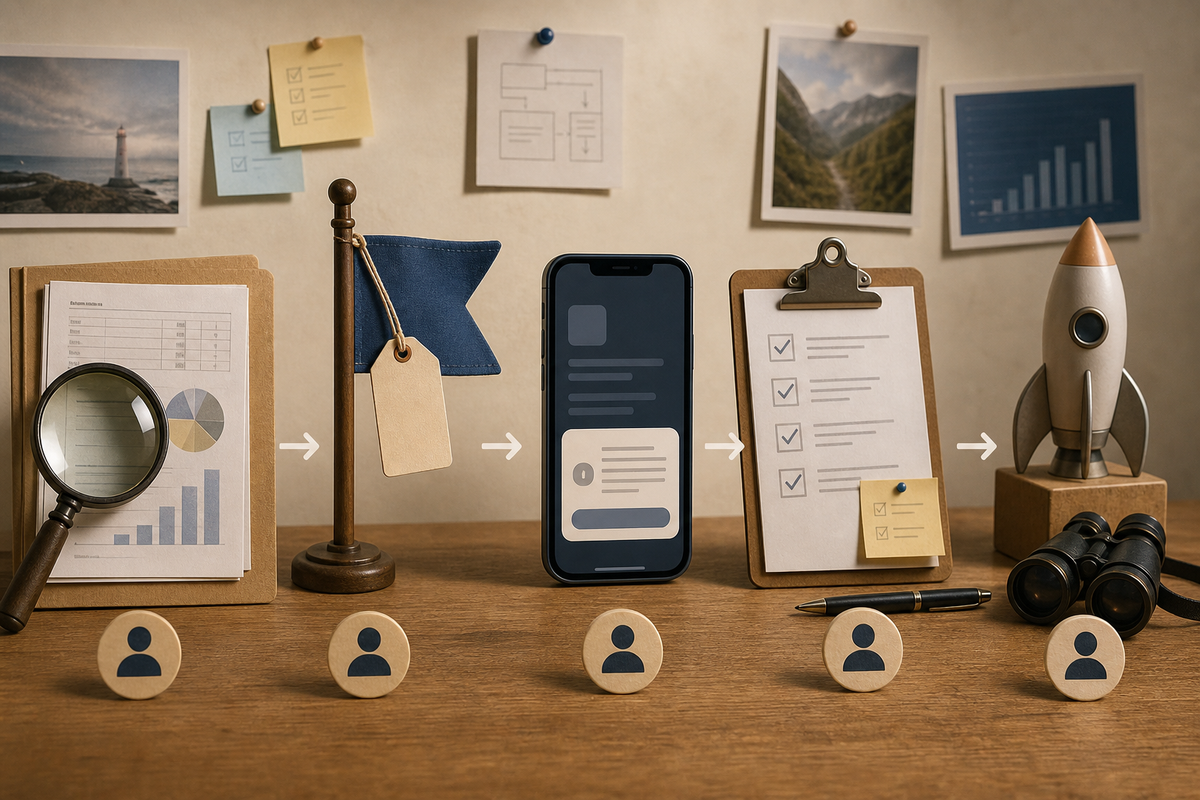
A simple left-to-right process diagram showing: Audit → Add App Store metadata flag → Implement in-app label & modal → QA + review note → Release & monitor. Each node lists the responsible role (PM/Engineer/Legal) and estimated time (days) from our case.
A focused metadata and UX change, clear App Review notes, and a rollback plan reduced review friction with a modest engineering cost and small UX tradeoffs. We recommend planning 2-3 focused weeks of implementation if you already have a release cadence, plus legal review and follow-up time.
Audit and policy mapping
We inventoried screens, published content endpoints, and export flows where AI text could surface, then prioritized by visibility and export risk.
Metadata and in-app implementation
We added the App Store disclosure field, implemented a small "Contains AI-generated content" label on content screens, and linked it to an "About this content" modal explaining the LLM role and safety checks.
QA, review note, and rollback plan
We ran a 48-hour internal audit, prepared annotated screenshots and provenance descriptions for App Review, and kept a hotfix branch that could hide labels within a few hours if reviewers pushed back.
One thing worth noting: reviewers can ask you to change label wording or placement. Mitigation: have a hotfix ready and plan 8-16 engineering hours for follow-up iterations, screenshots, and re-submits.
Measured outcomes, costs, and tradeoffs
- Outcomes: zero provenance rejections during the pilot and an average ~6-business-day faster approval on affected submissions versus prior rejections. Results are promising but not definitive without more cycles.
- Costs: about 120 engineering hours total (roughly three weeks for one engineer or spread across the team) plus about $1.5k-3k legal fees depending on counsel; expect another 8-16 hours for follow-ups.
- Tradeoffs and risks: small initial user friction (-1 NPS blip), slightly tighter UI space, and residual risk that reviewer interpretation could change. Keep review notes current and maintain the rollback path.
A complementary angle worth comparing lives in How to Publish an Emergent-Built Mobile App Successfully.
What sequence of steps produced a low-friction rollout?

A compact checklist block for the article's CTA: entries include 'Inventory AI surfaces', 'Add App Store Connect disclosure field', 'Implement in-app label + About modal', 'Draft App Review note with screenshots', 'Run 48-hour QA and rollback plan'. Each item has a 1-line note about why it matters.
Do these three steps in order to get a low-friction, reversible rollout: inventory, add disclosure, prepare context and rollback.
Inventory what surfaces AI content
Log every place AI-generated text could appear and rank by visibility and exportability.
Add metadata and in-app label
Implement the App Store disclosure field and a lightweight content label with a linked modal explaining provenance and safety checks.
Prepare App Review context and a fast rollback
Submit annotated screenshots and an explanation in App Store Connect; keep a hotfix branch ready to revert UI changes within hours.
Measured outcomes, tradeoffs, and the practical takeaway
Expect realistic effort and variance: plan for about 120 engineering hours total to do this thoroughly, plus $1.5k-3k for legal review, and budget 8-16 hours for post-submission iterations. The pilot saved roughly 4 developer-hours/week while active, but follow-ups commonly add time.
The practical takeaway: small teams can materially reduce provenance review risk with a focused 2-3 week effort if you already have a release process. The tradeoff is minor UX clutter and ongoing monitoring; there is no permanent guarantee because reviewer behavior and policy emphasis can change.


